What if you could step inside one of Claude Monet’s paintings?
Just outside Paris, in the peaceful village of Giverny, you can do exactly that.
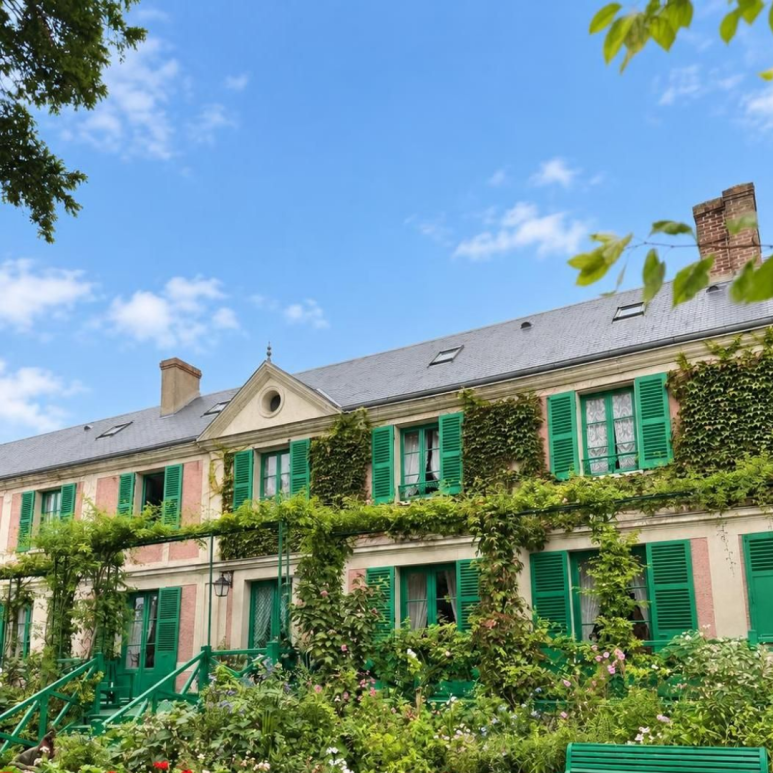
Famous for its water lily pond, Japanese bridge and colorful flower gardens, Giverny was home to the Impressionist painter Claude Monet for more than 40 years.
We visited independently from Paris, traveling by train and then continuing to the village by local transport.
The gardens were beautiful, but the journey also taught us something useful: visiting Giverny without a car can be more expensive and time-consuming than you might expect.
If you’re planning a day trip to Monet’s House and Gardens, here’s everything worth knowing before you go.
Where Is Giverny, France?
Giverny is a small village in Normandy, approximately 75 kilometers northwest of Paris.
It became internationally famous because of Claude Monet, who moved here in 1883 and lived in the village until his death in 1926.
During those decades, Monet transformed the grounds surrounding his home into extraordinary gardens.
He carefully selected flowers, arranged colors, created a water garden and painted the changing light throughout the seasons.
Today, the gardens are maintained by the Fondation Claude Monet and remain one of the most memorable places to visit near Paris.
For anyone who loves Impressionist art, Giverny offers something special: the opportunity to experience the landscape that inspired Monet’s paintings.
How to Get to Giverny from Paris by Train
Traveling independently is relatively straightforward, but it involves more than one journey.
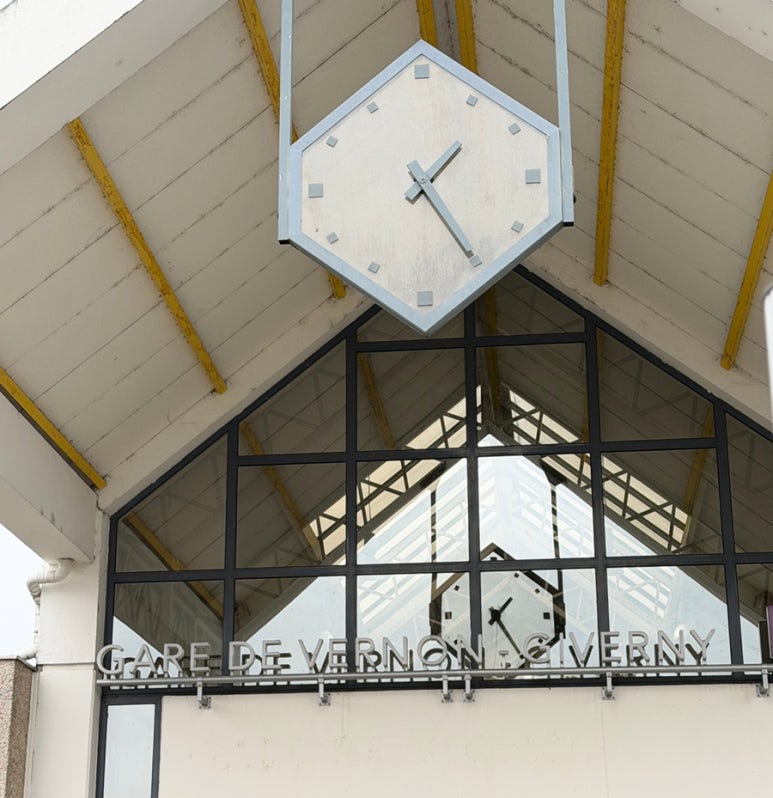
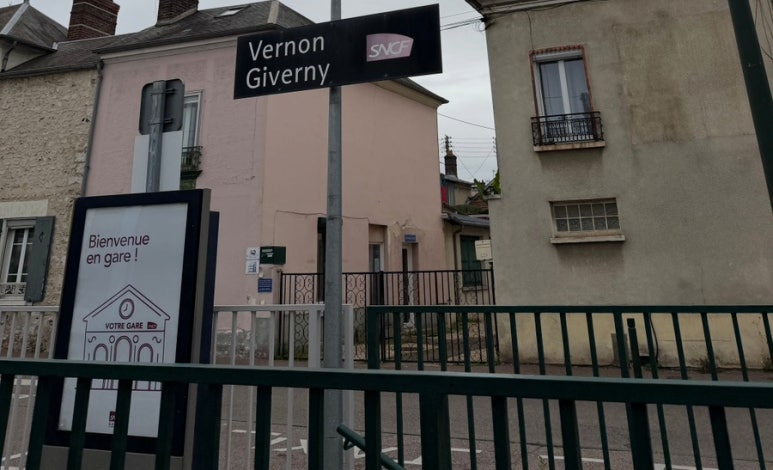
There is no railway station directly in Giverny.
Instead, you need to travel to Vernon–Giverny station and continue to the village.
Step 1: Take the Train from Paris Saint-Lazare
Trains to Vernon–Giverny depart from Paris Saint-Lazare station.
The journey usually takes approximately 50 minutes to one hour, depending on the service.
We paid €17 per person each way, making our return train fare €34 per adult.
This was the fare available for our journey, not a fixed ticket price.
Train prices can vary depending on the departure time, ticket type and booking conditions.
You can check current schedules and prices through SNCF Connect.
Step 2: Travel from Vernon to Monet’s Garden
Once you arrive at Vernon–Giverny station, you’ll still need to travel approximately five kilometers to Monet’s house.
There are several options.
Giverny shuttle bus
The tourist shuttle connects Vernon station with Giverny.
For our visit, the published fare was €5 each way, or €10 return.
This is generally one of the easiest options because the service is designed around tourist arrivals.
However, check the seasonal timetable before traveling.
Local public bus
Local buses may offer a cheaper alternative.
We found fares of approximately €4 return when researching our trip, but services were relatively infrequent.
Depending on your train arrival and departure times, the connections may not be convenient.
Taxi or ride-hailing services
We also checked Uber and Bolt, with estimated fares around €15 for the journey.
However, availability in Vernon can be limited, so I wouldn’t rely on finding a car immediately without a backup plan.
Walking or cycling
It’s also possible to walk or cycle between Vernon and Giverny.
This can be a pleasant option in good weather if you have enough time and energy.
How Much Does a Giverny Day Trip Cost?
One of the biggest surprises for us was the total transport cost.
Here is an example based on the prices we encountered and the 2026 adult admission price.
| Expense | Cost per adult |
|---|---|
| Return train from Paris | €34 |
| Return shuttle bus | €10 |
| Monet’s House and Gardens | €13 |
| Total | €57 |
That’s €114 for two adults before food or any additional activities.
Families will need to account for children’s fares, which depend on age and ticket conditions.
Of course, cheaper train fares or promotions may be available.
But it’s worth calculating the full cost before deciding whether to travel independently or book a guided tour.
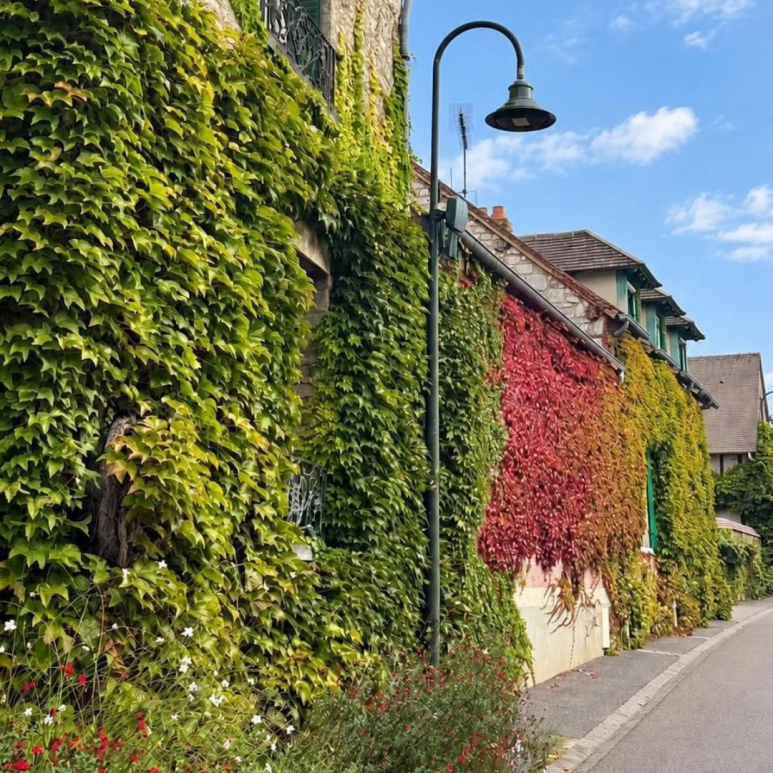
Visiting Monet’s House and Gardens
The Fondation Claude Monet is the main reason most visitors come to Giverny.
The property includes Monet’s house and two distinct gardens.
Each offers a different experience.
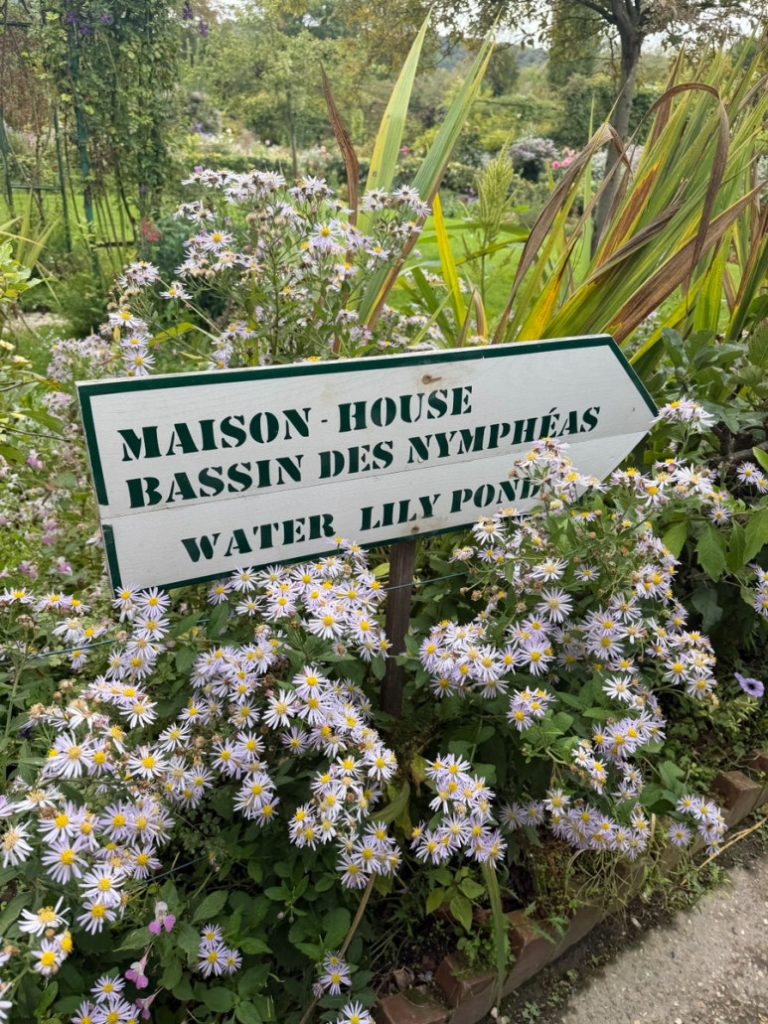
Clos Normand: Monet’s Flower Garden
The first garden, Clos Normand, stretches in front of Monet’s house.
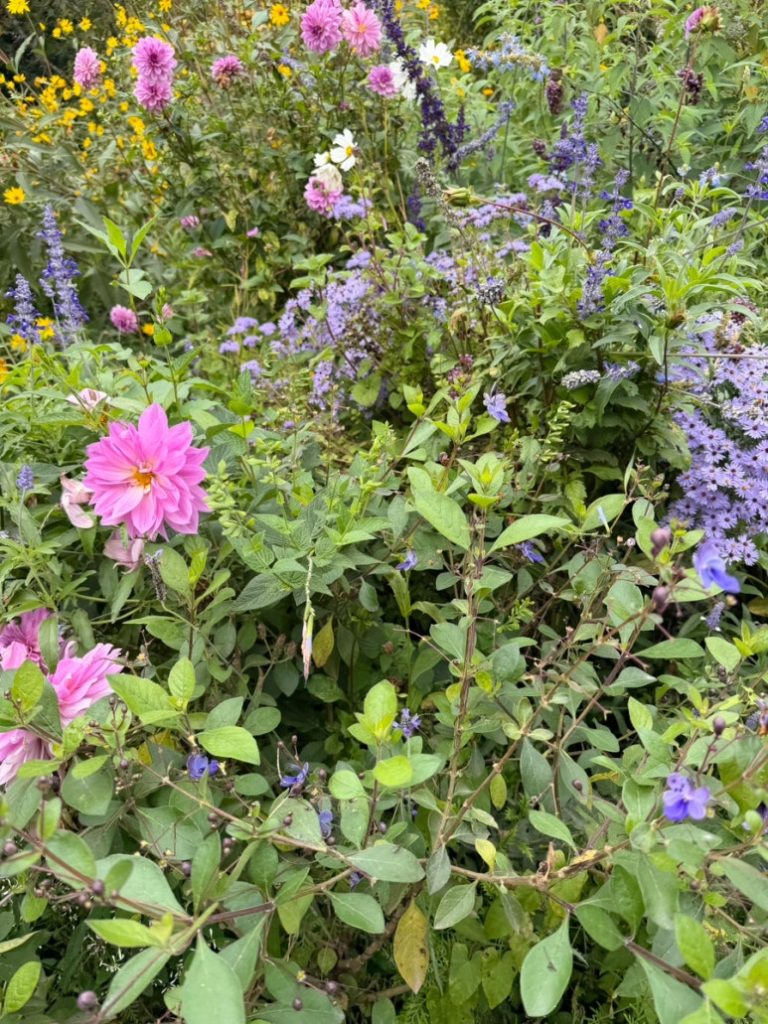
It’s filled with flowers, pathways, arches and carefully arranged planting beds.
Monet approached gardening with the eye of a painter.
He experimented with color combinations, textures and seasonal changes, creating a living composition that evolved throughout the year.
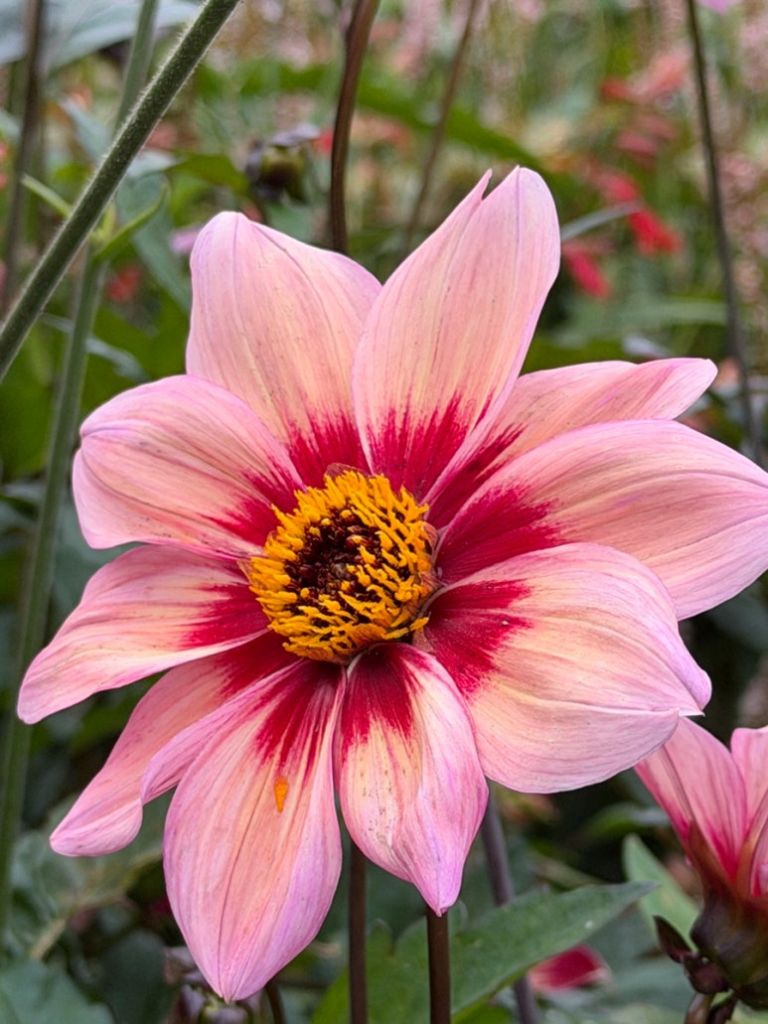
Depending on when you visit, you may see tulips, irises, roses, dahlias or other seasonal flowers.
Even without knowing much about gardening, it’s easy to appreciate the extraordinary colors and atmosphere.
What I loved most was how natural everything felt, despite the careful design behind it.
The Water Garden: Water Lilies and the Japanese Bridge
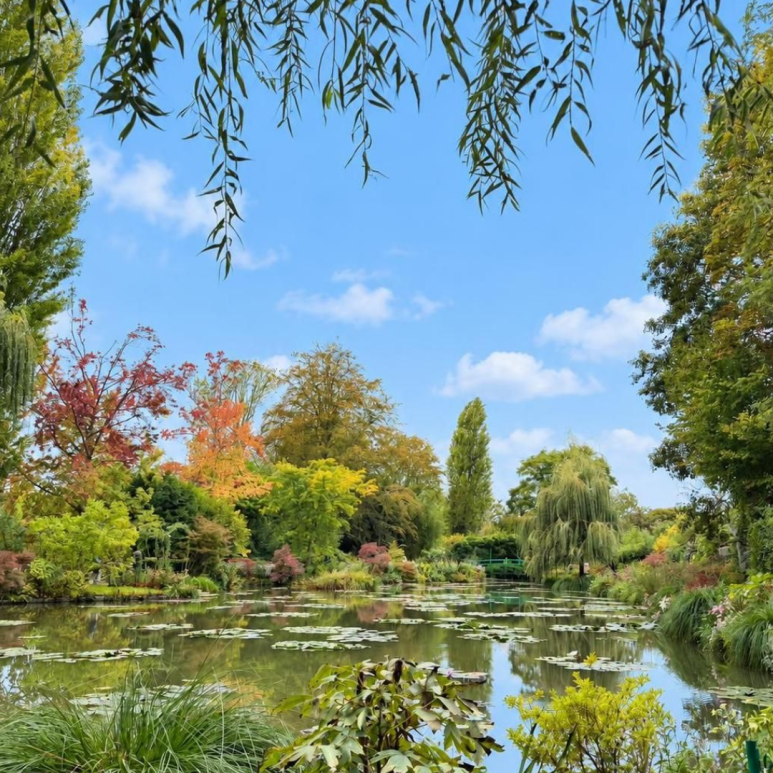
This is probably the most recognizable part of Monet’s garden.
In 1893, Monet acquired additional land and began creating a water garden inspired partly by his interest in Japanese art.
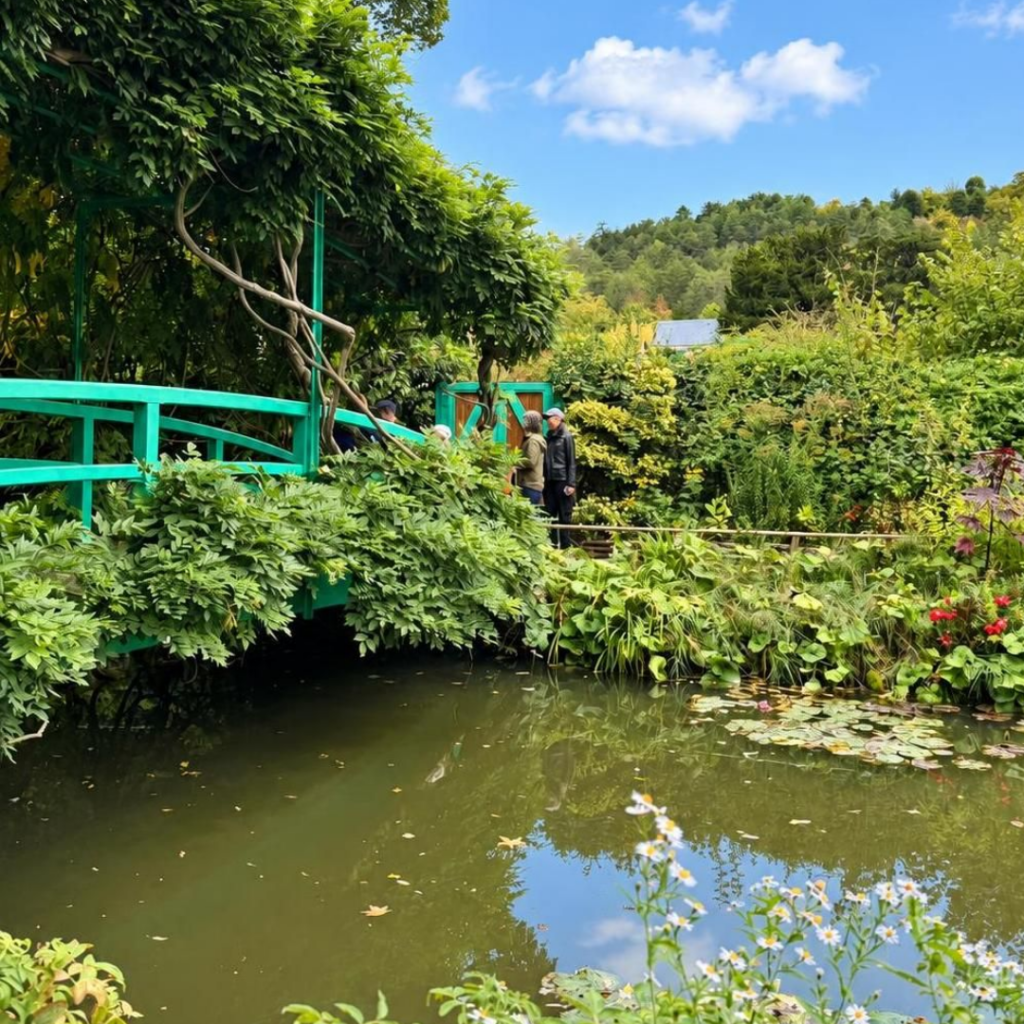
He developed a pond, planted water lilies and added a distinctive Japanese-style bridge.
The bridge and pond became subjects he returned to repeatedly in his paintings.
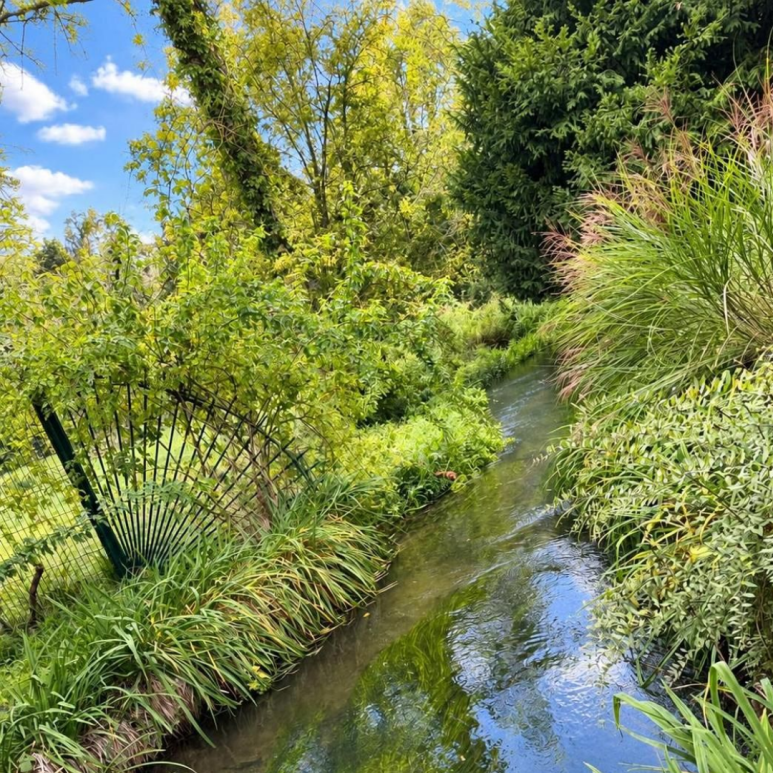
Standing in front of the green bridge, surrounded by trees and reflections on the water, it’s easy to understand why this landscape fascinated him.
It’s not simply a beautiful garden.
It’s a landscape that Monet created and then spent years studying through painting.
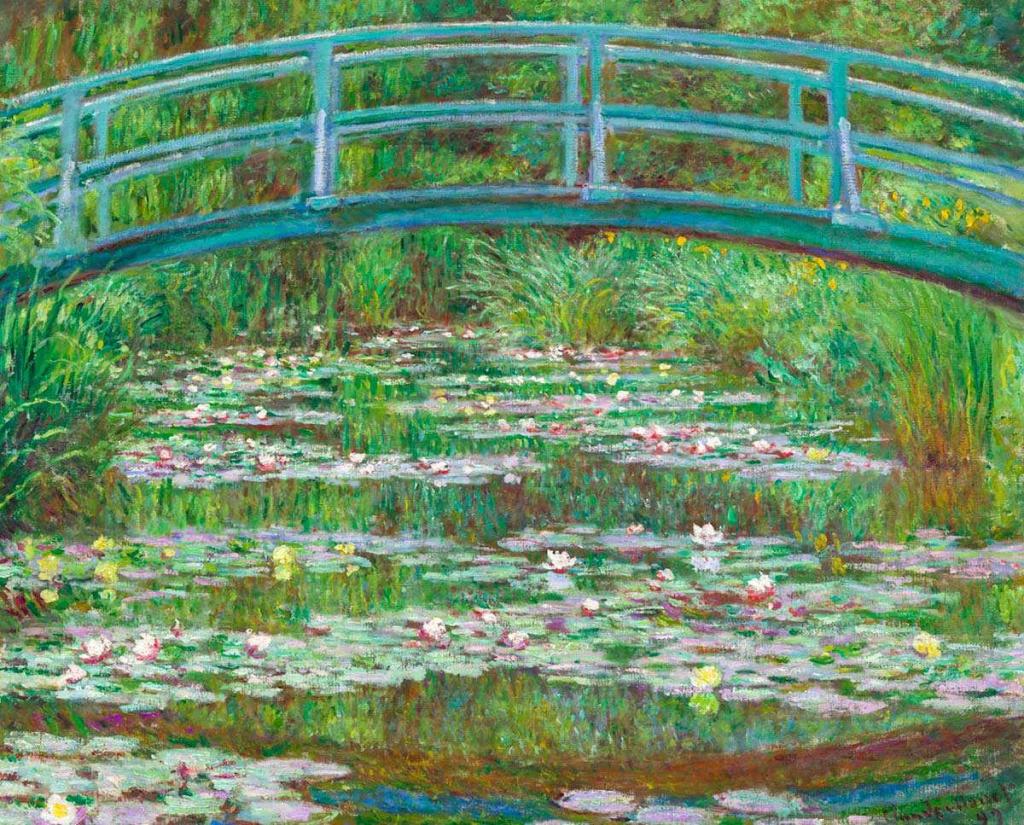
The Japanese Bridge: Comparing the Painting with the Real Place
One of the most interesting things you can do in Giverny is compare Monet’s paintings with the garden you see today.
In 1899, Monet painted a series featuring his Japanese bridge.
One of the best-known examples is The Japanese Footbridge, also known as The Bridge over a Pond of Water Lilies.
A version from 1899 is held by the National Gallery of Art in Washington, D.C.
Look at the painting and then at the actual bridge.
You’ll recognize the curved structure, surrounding vegetation and water below.
But you’ll also notice how Monet interpreted the scene through color, light and brushwork.
He wasn’t simply trying to reproduce every detail exactly.
He was interested in how a familiar landscape could change depending on light, atmosphere and the moment.
For us, seeing the real location made his paintings feel much more personal.
The garden has naturally changed over time, but the connection between the art and the place is still extraordinary.
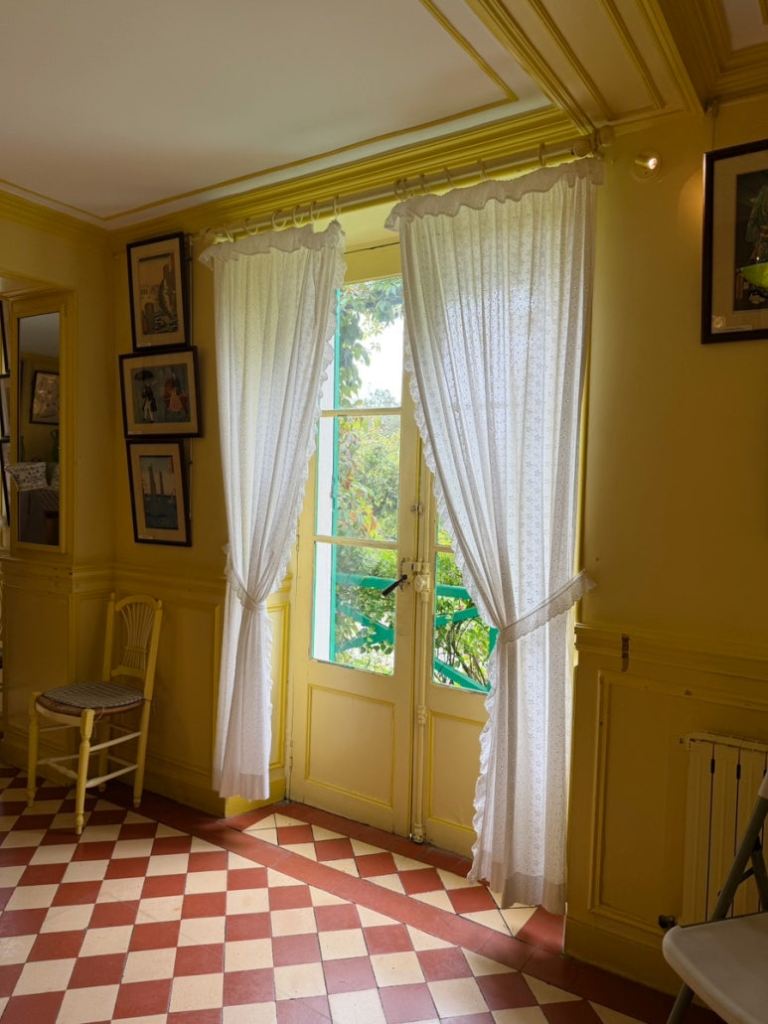
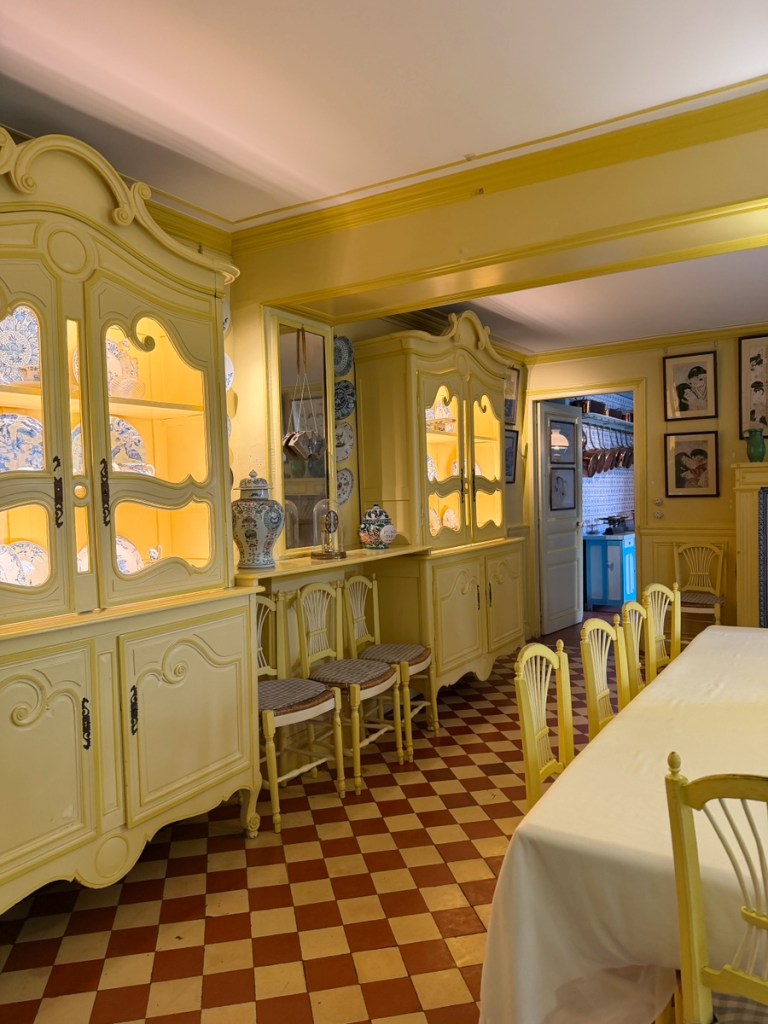
Inside Claude Monet’s House
Don’t rush past the house on your way to the gardens.
Monet’s home is another highlight of the visit.
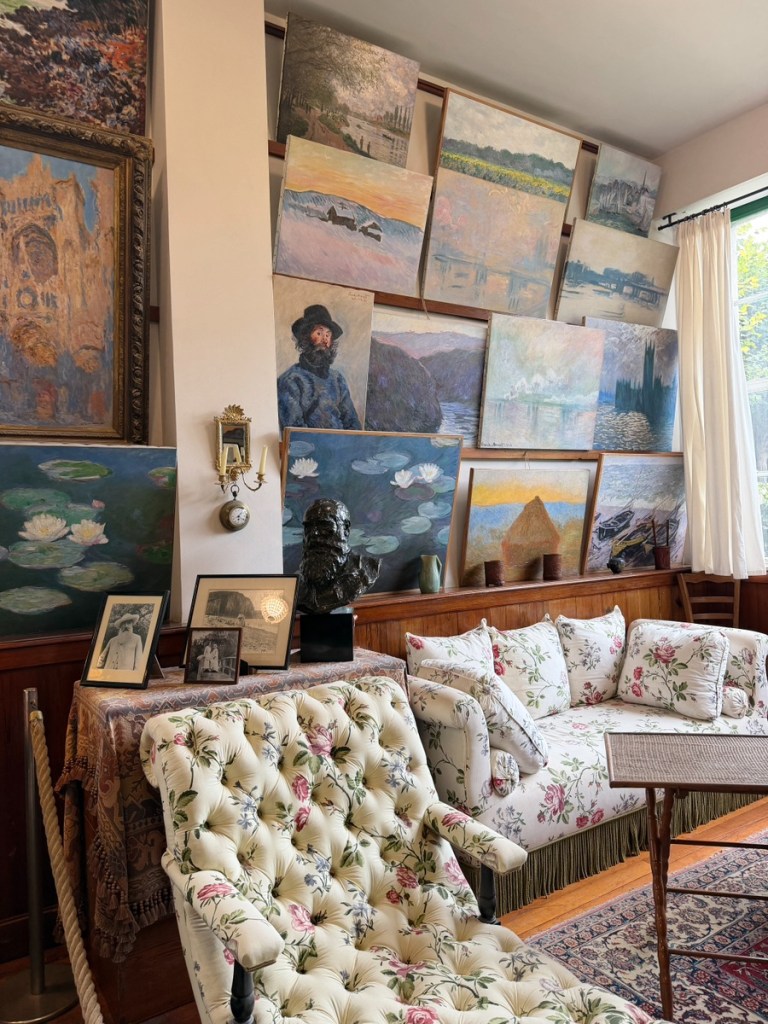
The rooms offer a glimpse into the environment where he lived and worked.
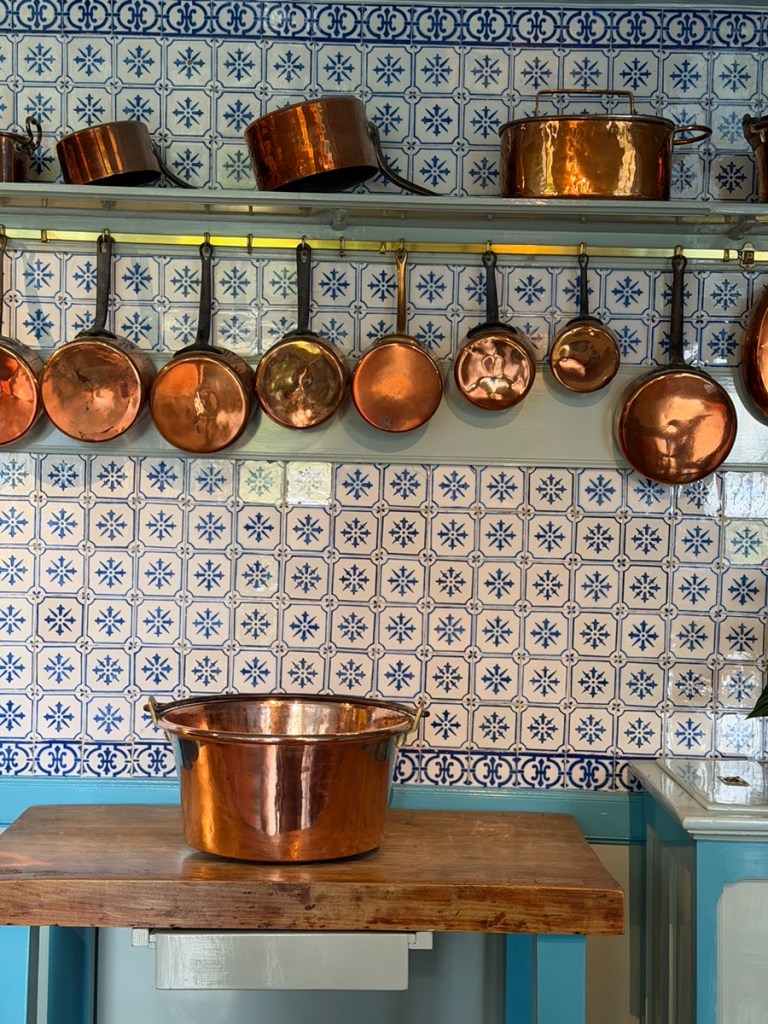
Two particularly memorable spaces are the bright yellow dining room and the blue kitchen.
The vivid colors feel surprisingly modern.
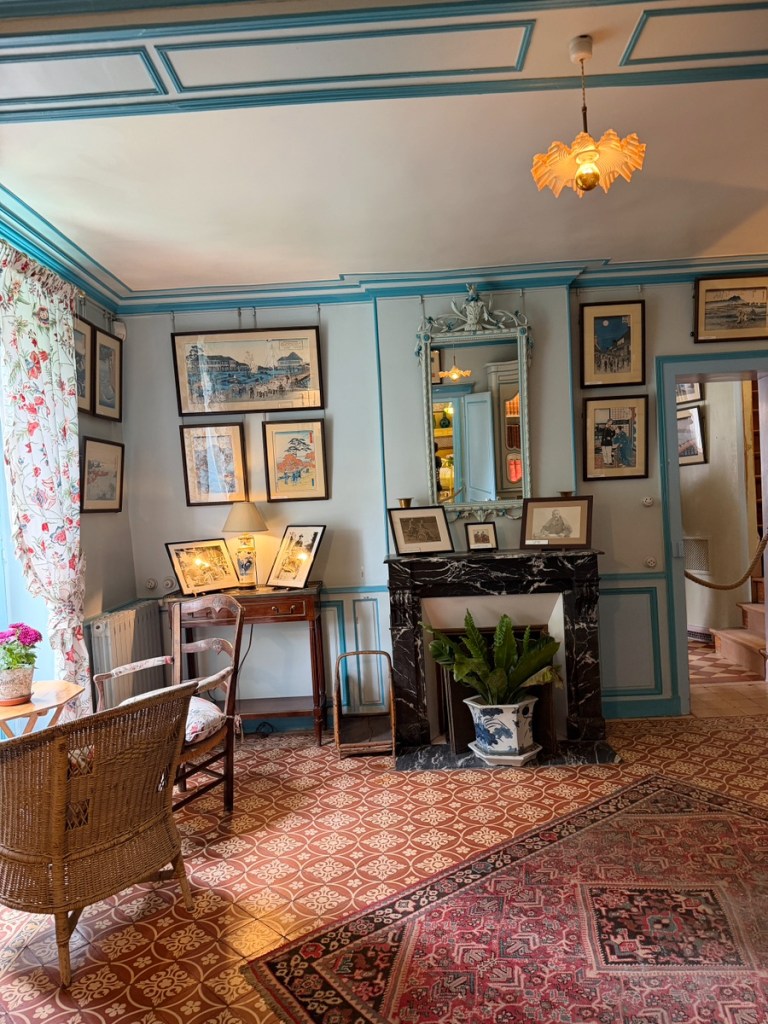
You’ll also see Japanese prints displayed throughout the house.
Monet was an enthusiastic collector of Japanese art, and its influence can be seen in both his home and garden.
The house helps you understand that Giverny wasn’t only where Monet worked.
It was a place he shaped around his personal tastes, artistic interests and everyday life.
Best Time to Visit Giverny
Monet’s House and Gardens are seasonal attractions.
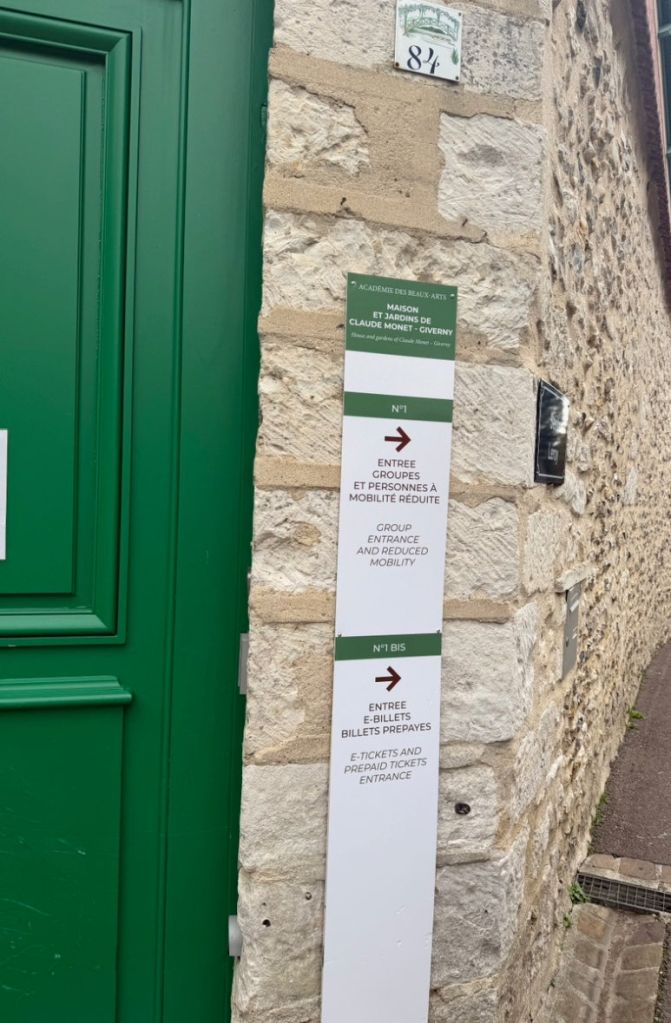
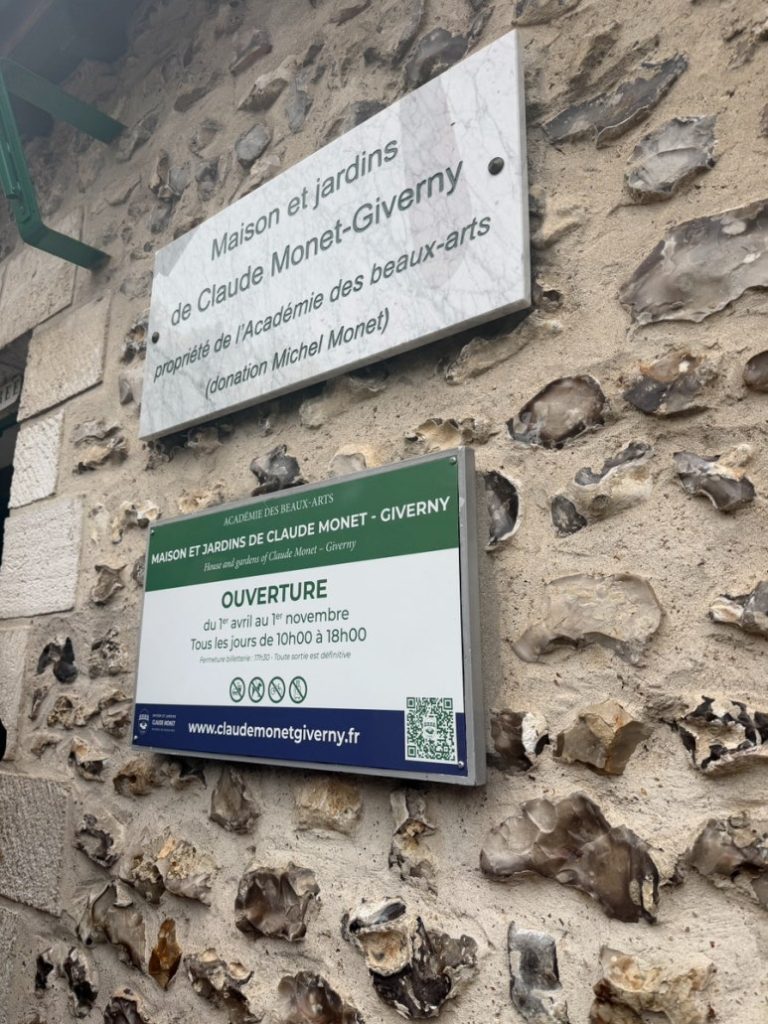
For 2026, the published opening period is April 1 to November 1, with daily opening hours from 10 AM to 6 PM and last admission at 5:30 PM.
The gardens are generally closed during winter.
Each season has its own appeal.
Spring brings fresh greenery and colorful early flowers.
Late spring and summer are especially popular for the lush gardens and water lilies.
Early autumn offers changing colors and a different atmosphere, although the floral displays vary with the weather.
We visited on a cloudy day.
While sunshine would have made the colors brighter in photographs, the gardens were still beautiful.
The softer light also gave the water garden a peaceful atmosphere.
If you’re visiting during a busy period, booking your admission in advance is a good idea.
How Long Should You Spend at Monet’s Garden?
I would allow approximately two to three hours for the house and gardens.
That gives you time to explore both garden areas, visit the house and stop for photographs.
If you’re particularly interested in Monet’s work or enjoy photography, you may want longer.
You can also spend time exploring the village of Giverny itself.
The village has small streets, galleries and places to stop for a coffee or lunch.
If you’re traveling independently, remember to leave enough time to return to Vernon station for your train.
Giverny by Train or Guided Tour: Which Is Better?
After visiting independently, I understood why so many travelers choose an organized day trip.
Taking the train is perfectly manageable, but you need to coordinate train schedules, local transport and admission times.
For families or visitors with a short stay in Paris, that can take more planning than expected.
A guided tour can simplify the journey, especially when transport is included.
Some tours combine Giverny with other destinations such as Versailles or Auvers-sur-Oise, the village associated with Vincent van Gogh.
However, not every tour includes all these places, and some offer only a short visit at each stop.
Choose independent travel if:
- You want to spend several hours in Monet’s garden.
- You prefer a flexible schedule.
- You enjoy exploring small villages at your own pace.
- You find train tickets at a good price.
Consider a guided tour if:
- You want transport arranged for you.
- You’re traveling with children and prefer fewer connections.
- You have limited time in Paris.
- You want to combine Giverny with another destination.
Before booking, compare the total price, admission tickets, group size, departure point and time spent at each attraction.
A guided tour isn’t automatically cheaper, but it may be more convenient for a busy itinerary.
[Insert Giverny day-trip or guided-tour link here]
Combine Giverny with Monet’s Paintings in Paris
If you’re interested in Impressionism, I highly recommend connecting your Giverny visit with two museums in Paris.
Musée d’Orsay
The Musée d’Orsay has an outstanding collection of Impressionist and Post-Impressionist art.
Seeing works by Monet and his contemporaries helps explain how these artists changed the way people approached painting.
It’s a wonderful introduction before visiting Giverny.
Musée de l’Orangerie
The Musée de l’Orangerie is especially meaningful after seeing Monet’s water garden.
Its famous Water Lilies installation features enormous paintings inspired by the pond at Giverny.
The paintings surround visitors in specially designed oval rooms, creating an immersive experience.
After standing beside the actual water lily pond, seeing these works becomes even more memorable.
You can visit the museums before or after Giverny.
Either way, the experience connects the artwork with the landscape that inspired it.
Practical Tips for Visiting Giverny
A few things I would keep in mind for a future visit:
- Book Monet’s Garden tickets in advance during busy periods.
- Check both your train schedule and the return shuttle timetable.
- Allow extra time to get from Vernon station to the garden entrance.
- Wear comfortable shoes for walking around the gardens and village.
- Bring a light rain jacket if the forecast is uncertain.
- Check current opening dates, as the gardens close for winter.
- Compare guided tours with the full cost of independent travel, not just the train ticket.
Final Thoughts: Is Giverny Worth Visiting?
Absolutely, especially if you love Monet’s paintings.
Giverny is more than a beautiful garden outside Paris.
It’s a place where an artist transformed his surroundings into a lifelong source of inspiration.
The flower garden, the water lily pond, the Japanese bridge and the colorful rooms of Monet’s house all tell part of that story.
For us, the visit was memorable not only because of the scenery but because it helped us understand the paintings in a different way.
The only thing I would plan more carefully next time is transportation.
Traveling independently gave us flexibility, but the combined train and shuttle costs were higher than expected.
If you’re planning a short trip to Paris, compare a few guided tours before making your decision.
Whether you arrive by train or with a tour group, Giverny is a wonderful place to experience the world that inspired Claude Monet.
And if you have the chance, don’t miss the Water Lilies at the Musée de l’Orangerie afterward.
It’s a beautiful way to complete the experience.
Prefer a Guided Day Trip?
If you’d rather skip the train transfers and local transportation, a guided tour from Paris can be a convenient alternative.
Depending on the itinerary, some tours combine Giverny with other destinations, allowing you to explore more in a single day.
Explore Giverny day trips and tours on Trip.com
Before booking, check which attractions are included, whether admission tickets are covered, and how much time you’ll have at each stop.
Useful Official Websites
Fondation Claude Monet: https://fondation-monet.com/
SNCF Connect: https://www.sncf-connect.com/
National Gallery of Art – Monet’s Japanese Bridge: https://www.nga.gov/artworks/74796-bridge-over-pond-water-lilies
This post contains affiliate links. If you book through these links, I may earn a small commission at no additional cost to you.


Leave a Reply